
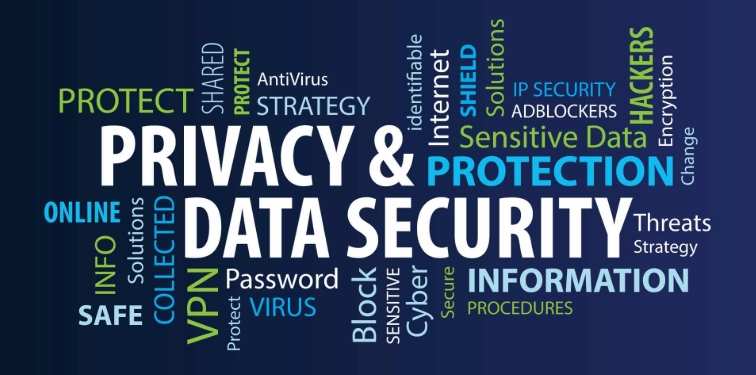
Data has become one of the most valuable assets for modern businesses. Organizations collect and store customer information, financial records, employee details, business documents, and other sensitive data through websites, applications, cloud platforms, and digital services. As data usage increases, protecting this information has become a critical responsibility.
One of the biggest challenges is the growing number of cybersecurity threats. Attackers use techniques such as phishing, malware, ransomware, and social engineering to gain unauthorized access to systems and sensitive information. Businesses need strong security measures to identify and prevent these threats.
Data breaches are another major concern. A security breach can expose customer information, financial details, passwords, or confidential business data. Apart from financial losses, breaches can damage a company's reputation and reduce customer confidence.
Cloud computing has introduced additional security considerations. While cloud platforms provide scalable and flexible infrastructure, businesses must properly configure access controls, encryption, authentication, and monitoring systems to protect cloud-based data.
Weak passwords and poor authentication practices can also put sensitive information at risk. Organizations should encourage strong passwords and implement multi-factor authentication (MFA) to provide an additional layer of protection against unauthorized access.
Another challenge is employee awareness. Human error is often a contributing factor in security incidents. Employees may accidentally share sensitive information, click malicious links, or use insecure devices. Regular cybersecurity awareness training can help employees recognize and avoid common threats.
Data privacy is equally important. Organizations should collect only the information they need, explain how data is used, and implement appropriate measures to protect personal information. Compliance with applicable data protection laws and regulations is also essential.
Third-party services can create additional risks. Businesses often share data with payment providers, software vendors, marketing platforms, and other external partners. Organizations should carefully evaluate third-party security practices and establish clear data protection requirements.
Encryption is an effective method for protecting sensitive information. Encrypting data both during transmission and while stored makes it significantly more difficult for unauthorized individuals to access or use the information.
Regular security assessments, vulnerability scanning, software updates, and system monitoring can help organizations identify weaknesses before attackers exploit them. Businesses should also maintain reliable backups and develop incident response plans to recover quickly from security incidents.
Artificial Intelligence is increasingly being used for both cybersecurity and cyberattacks. Security teams can use AI to detect unusual activity, identify potential threats, and analyze large amounts of security data. At the same time, attackers may use AI to create more sophisticated phishing campaigns and automated attacks.
As organizations continue their digital transformation, data privacy and security will become even more important. Businesses must treat security as an ongoing process rather than a one-time activity and continuously adapt to emerging threats.
In conclusion, data privacy and security challenges require a combination of technology, employee awareness, strong policies, and continuous monitoring. By implementing appropriate security practices and protecting customer information responsibly, businesses can reduce risks, maintain trust, and build a safer digital environment.





Share This News