
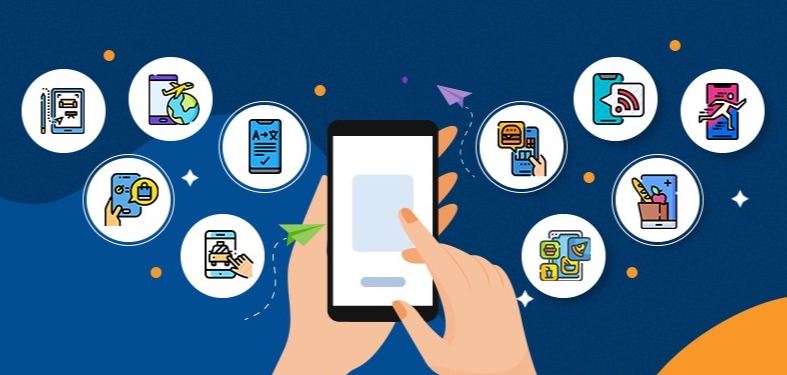
Mobile technology has advanced significantly over the past decade, becoming an essential part of everyday life. From powerful smartphones to intelligent mobile applications, continuous innovation is reshaping how people communicate, work, shop, learn, and access digital services. In 2026, several emerging technologies are driving the next generation of mobile experiences.
One of the most significant innovations is the integration of Artificial Intelligence (AI) into smartphones. AI-powered features such as intelligent voice assistants, real-time language translation, advanced photography, predictive text, and personalized recommendations are making mobile devices more efficient and user-friendly.
5G connectivity continues to expand, offering faster internet speeds, lower latency, and improved network reliability. This enables smoother video streaming, faster downloads, cloud gaming, and better support for connected devices, creating a more seamless mobile experience.
Foldable and flexible smartphones are becoming increasingly popular. These devices provide larger displays while maintaining portability, allowing users to multitask more efficiently and enjoy enhanced productivity and entertainment.
Mobile security has also seen major improvements. Modern smartphones now include advanced biometric authentication methods such as facial recognition, fingerprint sensors, and AI-powered security systems to protect user data and prevent unauthorized access.
Battery technology is evolving with faster charging solutions and improved battery efficiency. Many smartphones now support ultra-fast charging and intelligent battery management systems that extend battery life and optimize power consumption.
Camera technology continues to improve through AI-enhanced image processing, higher-resolution sensors, optical zoom capabilities, and advanced video recording features. These innovations enable users to capture professional-quality photos and videos directly from their smartphones.
Augmented Reality (AR) is becoming more integrated into mobile applications. From virtual shopping experiences and interactive gaming to navigation and educational tools, AR is creating immersive and engaging experiences for users across various industries.
Cloud-based mobile services are also transforming the way users access information and applications. Cloud storage, mobile productivity tools, and cross-device synchronization allow users to access files and continue their work from multiple devices seamlessly.
The Internet of Things (IoT) is further expanding the capabilities of mobile devices. Smartphones can now control smart home appliances, wearable devices, security systems, and connected vehicles, making everyday tasks more convenient and efficient.
Sustainability is becoming an important focus in mobile technology. Manufacturers are developing energy-efficient devices, using recycled materials, and designing smartphones with longer software support to reduce electronic waste and environmental impact.
As mobile technology continues to evolve, future innovations such as AI-powered personal assistants, satellite connectivity, enhanced AR experiences, and more powerful mobile processors will further transform the way people interact with technology.
In conclusion, the latest innovations in mobile technology are improving connectivity, security, productivity, and user experiences. Businesses and consumers alike can benefit from these advancements as smartphones continue to play a central role in the digital world.








Share This News