
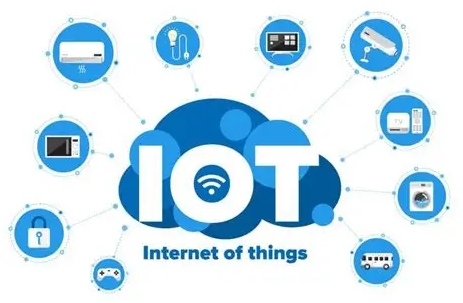
The Internet of Things, commonly known as IoT, is one of the fastest-growing technologies in the modern digital era. IoT refers to a network of physical devices connected to the internet that can collect, share, and exchange data automatically without requiring constant human interaction.
These connected devices include smartphones, smart home appliances, wearable fitness trackers, industrial machines, security systems, and even connected vehicles. IoT technology enables devices to communicate with each other and perform intelligent actions based on real-time data.
One of the most popular applications of IoT is in smart homes. Devices such as smart lights, thermostats, voice assistants, and security cameras can be controlled remotely through mobile apps or voice commands. This improves convenience, energy efficiency, and home security.
In the healthcare industry, IoT is helping improve patient monitoring and medical services. Wearable devices can track heart rate, blood pressure, and physical activity, allowing healthcare providers to monitor patients remotely and provide faster medical support when needed.
Industrial IoT is also transforming manufacturing and business operations. Smart sensors and connected machines help companies monitor equipment performance, predict maintenance needs, and reduce operational downtime. This improves productivity and lowers maintenance costs.
Transportation and logistics sectors are using IoT for fleet tracking, traffic management, and smart navigation systems. Connected vehicles and real-time tracking technologies help improve safety, fuel efficiency, and delivery management.
Agriculture is another industry benefiting from IoT technology. Smart farming solutions use sensors to monitor soil conditions, weather, irrigation systems, and crop health, helping farmers increase productivity and reduce resource waste.
Despite its advantages, IoT also presents challenges related to cybersecurity and data privacy. Since IoT devices constantly collect and exchange data, businesses and users must ensure strong security measures are in place to protect sensitive information from cyber threats.
The growth of 5G technology is expected to further accelerate IoT adoption by providing faster connectivity, lower latency, and improved communication between connected devices.
As technology continues to evolve, IoT will play an increasingly important role in building smart cities, improving automation, and enhancing everyday experiences. Businesses that adopt IoT solutions can benefit from greater efficiency, real-time insights, and improved customer experiences.
In conclusion, the Internet of Things is revolutionizing industries and daily life by connecting devices and enabling smarter decision-making. IoT technology continues to shape the future of automation, connectivity, and digital innovation worldwide.







Share This News