
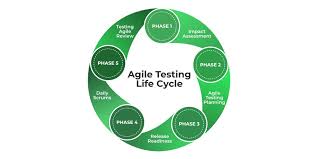
Agile development emphasizes speed, flexibility, and collaboration, often leading to the misconception that documentation is unnecessary. However, test documentation remains a critical component of Agile teams, helping maintain quality without slowing delivery.
In Agile environments, test documentation is intentionally lightweight and focused. Artifacts such as test scenarios, acceptance criteria, checklists, and exploratory testing notes provide shared understanding among developers, testers, and product owners. These documents ensure that requirements are clearly interpreted and validated throughout the sprint.
Well-maintained test documentation improves communication and reduces dependency on individual team members. When team members change or scale, documentation acts as a reliable reference, minimizing knowledge loss and onboarding time.
Additionally, test documentation supports traceability between user stories, test cases, and defects. This is especially important during audits, compliance checks, or regression testing, where teams must demonstrate coverage and quality assurance.
In Agile teams, the goal is not excessive paperwork but just enough documentation to support continuous testing, faster feedback, and confident releases. When done right, test documentation becomes an enabler of agility rather than an obstacle.







Share This News